
Artificial Intelligence (AI) is rapidly reshaping the creative and language industries, especially in the fields of design and translation. What were once highly manual and time-consuming processes are now being enhanced by intelligent systems capable of analyzing data, recognizing patterns, and generating high-quality outputs in a fraction of the time.
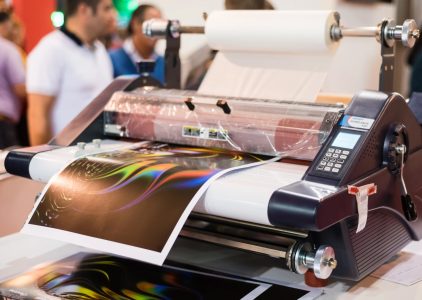
In graphic design, AI tools assist designers by automating repetitive tasks such as layout alignment, image enhancement, color correction, and typography selection. Advanced AI platforms can analyze brand guidelines and suggest design elements that maintain visual consistency across different media. Generative AI also enables the rapid creation of concepts, mockups, and visual variations, allowing designers to explore multiple creative directions efficiently. Rather than replacing human creativity, AI acts as a powerful co-creator—accelerating workflows and freeing designers to focus on strategy, storytelling, and innovation.
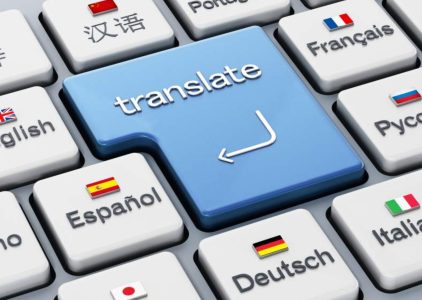
In translation and localization, AI has delivered some of the most significant breakthroughs. Neural Machine Translation (NMT) systems and large language models now provide highly accurate translations by understanding context, tone, and linguistic structure rather than simply converting words one by one. These technologies support real-time translation, multilingual content production, and large-scale documentation projects with unprecedented speed. When combined with professional human post-editing, AI ensures both efficiency and linguistic precision, making global communication more accessible than ever.
The true impact of AI emerges when design and translation converge. Marketing campaigns, product packaging, user manuals, and digital platforms often require both compelling visuals and multilingual content. AI-driven workflows can adapt designs for different languages, automatically adjust text layouts, and maintain brand identity across regions. This integration allows businesses to deliver consistent, localized experiences to international audiences while reducing production time and cost.
As AI continues to evolve, its role in design and translation will become increasingly strategic. By combining human creativity with machine intelligence, organizations can achieve faster production, higher consistency, and greater global reach. Ultimately, AI is not replacing creative and linguistic professionals—it is empowering them to work smarter, scale further, and communicate more effectively in a connected world.